Waiting for the Voices
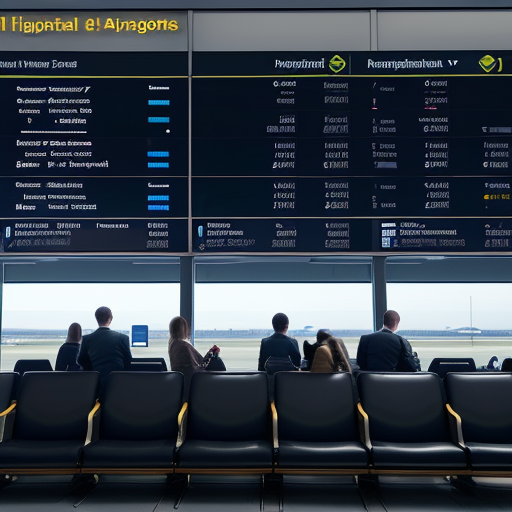
The departure board flickered, another delay announced in cold digital precision. Flight 447 to Phoenix: DELAYED. Flight 892 to Minneapolis: DELAYED. Each update drew anxious glances from passengers scattered across the terminal chairs, their faces illuminated by the blue glow of phones checking weather radar and rebooking options.
Elena Martinez pressed her back against the tall windows overlooking the runway, watching sheets of rain sweep across the tarmac in the growing darkness. The storm had rolled in fast, transforming Denver International Airport from its usual controlled chaos into something more like a vigil. Passengers waited, watching the sky, listening for announcements, hoping for the voice that would tell them it was safe to fly again.
“Ladies and gentlemen, due to severe weather conditions in the Denver metro area, all departing flights are currently delayed pending improved visibility and wind conditions,” the terminal announcement echoed. “We appreciate your patience as air traffic control works to ensure the safety of all aircraft operations.”
Elena’s phone buzzed. A text from her daughter in Seattle: Mom, saw the weather alerts. Are you okay?
Still at the airport. Weather delay. Will call when I know more.
She looked around at her fellow stranded travelers. A businessman had given up any pretense of work, his laptop closed, staring out at the storm with resigned patience. Near the coffee stand, a young couple held hands tightly, their boarding passes for a honeymoon flight to Hawaii crumpled in their free hands. An elderly man in a veteran’s cap sat reading a paperback novel, completely absorbed, as if delays were simply part of life’s rhythm.
The overhead speakers crackled to life again, but this time it wasn’t the usual gate agent announcement. Instead, Elena heard something different—a calm, professional voice cutting through the terminal’s anxiety.
“Tower to United 1247, winds are currently gusting to 45 knots from the west. We’re holding all traffic until conditions improve. Estimate another thirty minutes before we can start releasing departures.”
Elena realized she was hearing air traffic control communications bleeding through the terminal’s PA system. Someone had accidentally left a channel open, and now the passengers could hear the same voices that were guiding aircraft through the storm.
“Roger, Tower. United 1247 holding pattern altitude 8,000. We’ve got fuel for another hour of holding.”
“Copy that, 1247. Phoenix-bound traffic, we’ll get you out as soon as this system passes.”
Around the terminal, passengers began to quiet, unconsciously leaning toward the speakers. There was something mesmerizing about these voices—calm, methodical, completely in control even as the storm raged outside. Elena found herself listening not just to the words but to the tone, the way each controller’s voice carried absolute confidence that everything would work out safely.
“Continental 556, Tower. We’re showing improving conditions on the eastern approach. Stand by for possible departure clearance in fifteen minutes.”
A woman near Elena with a Continental boarding pass looked up hopefully, checking her gate number. For the first time in two hours, she smiled.
“Southwest 2847, this is Tower. I show you’ve been holding the longest. You’ll be first out when we open the runway. Hang tight—we’re going to get you home to your families.”
Elena felt tears prick her eyes. There was something achingly human in that last sentence, the controller’s acknowledgment that these weren’t just aircraft callsigns but people missing dinner, worried spouses, children waiting for bedtime stories. The voice in the tower saw them, even from miles away and hundreds of feet up.
An announcement from the gate area joined the air traffic chatter: “Ladies and gentlemen, this is Captain Rodriguez speaking from Flight 447 to Phoenix. I know you’ve been waiting patiently, and I wanted to update you. Our air traffic controllers are doing an exceptional job managing this storm system, and they’ve just indicated we should have departure clearance within the next twenty minutes. These are the same professionals who guide thousands of flights safely every day, and they’re not going to release us until it’s completely safe to do so.”
The businessman looked up from his phone. The young couple’s grip on each other loosened slightly. The veteran turned a page in his book but didn’t start reading—he was listening too.
“Delta 1893, Tower. You’re cleared for takeoff runway 34 Right. Winds 280 at 25, gusts to 35. Contact departure on 124.35. Have a safe flight to Atlanta.”
Through the windows, Elena could see a plane’s lights moving slowly toward the runway, its wings cutting through the rain. A moment later, the roar of engines reached the terminal as the aircraft lifted into the stormy night, its lights disappearing into the clouds.
“Tower to all holding aircraft—the system is moving through faster than expected. We’ll be releasing departures in sequence starting in ten minutes. Thank you for your patience tonight.”
The terminal seemed to exhale collectively. Passengers began gathering their belongings, checking gate assignments, calling loved ones with updated arrival times. But Elena noticed many people still stood quietly by the windows, still listening to the voices that had guided them through the wait.
“Flight 447 passengers, this is your gate agent. We’ve just received clearance from air traffic control. We’ll begin boarding in five minutes for our departure to Phoenix.”
Elena smiled, finally moving away from her vigil post by the window. As she walked toward her gate, she could still hear the tower communications, now managing the careful choreography of getting dozens of delayed flights safely into the air. Each voice remained calm, methodical, caring—shepherding travelers through the storm and back to their families.
“United 1247, Tower. You’re number three for departure. It’s been a long wait, but we’re going to get you home now.”
Elena looked back once more at the control tower, its lights steady against the moving storm clouds. Somewhere up there, voices she would never meet were watching over every journey, every homecoming, every safe arrival. They couldn’t control the weather, but they could control everything else—and that was enough.
Her boarding group was called, and Elena moved toward the jetway, carrying with her the memory of voices in the darkness, patient and certain, guiding everyone safely home.

You Might Also Enjoy
The Building Whisperer
Esperanza was eight years old when she discovered the brick walls behind her bed could talk. Carmen lived here in 1962. Mr. Chen in the '70s. Mrs. Kowalski from 1945 to 1977. The building remembered everyone who had ever tried to make a life in America within these four walls.
The Lighthouse Keeper of Forgotten Frequencies
The radio crackled to life at 3:17 AM, just as it had every night for the past forty-three years. Silas McKenna reached for the frequency dial with fingers that knew the settings by heart. The lighthouse was automated now, but the Coast Guard still maintained the radio station here. Officially, Silas was a Marine Radio Operator. Unofficially, he was the last human being for fifty miles in any direction, the voice in the darkness that guided ships home through forgotten frequencies.
The Voices in the Tower
The control tower at Denver International Airport stood like a lighthouse against the Colorado darkness. Twenty-three floors above the sleeping runways, Air Traffic Controller Nadia Chen adjusted her headset and watched the night sky breathe with the slow pulse of aircraft navigation lights. During the day, she was a professional managing chaos. But at night, she became something else: a guardian of the darkness, a keeper of conversations that happened between earth and sky when most of the world was asleep.