The Word for What I Am
There was a woman who had been calling her loneliness “independence” for so long that she believed it.
She lived alone in a small apartment on the third floor of a building with thin walls. She could hear her neighbors’ lives bleeding through—television laughter, dinner conversations, arguments that started loud and ended quiet, children running in the hallway. All the sounds of people who weren’t alone.
She told herself she preferred it this way. Quiet. Simple. No complications, no compromises, no one else’s mess to navigate. Independence, she called it. Freedom.
She had a job that required precision but not collaboration. Data entry for a medical billing company. Numbers and codes and claims, all processed from her home office. She was good at it—fast, accurate, reliable. The company loved her because she never called in sick, never requested time off, never caused problems.
She had exactly three friends. Two from college who lived in other states and texted on birthdays. One from work—another remote employee she’d met at the annual company meeting five years ago. They exchanged memes sometimes. Laughing emoji responses. That counted as connection, didn’t it?
She ordered groceries online. Worked out to YouTube videos in her living room. Watched shows everyone had already finished. Read books from the library’s digital collection. Existed in a carefully curated bubble of one.
And she told herself this was what she wanted.
Until the day she fell.
It was stupid, really. A wet bathroom floor. A moment of imbalance. Her foot slipping, her hand reaching for something that wasn’t there, and then the sickening crack of bone against porcelain.
She lay on the cold tile, her ankle screaming, and realized with perfect clarity that she had no idea what to do.
She couldn’t stand. Couldn’t reach her phone—it was in the other room, charging. Couldn’t call for help because who would she even call? The college friends in other states? The meme friend she’d met once five years ago?
The neighbors. She could hear them through the walls. Someone was home. Multiple someones, probably.
She’d never spoken to any of them.
She lay there for what felt like an hour but was probably fifteen minutes, trying to decide if asking for help would be worse than staying on the bathroom floor indefinitely.
Finally, she did the thing she’d spent years avoiding. She called out.
“Hello?”
Her voice sounded strange. Weak. Uncertain.
“Hello? I need help. Please.”
Nothing.
She tried again, louder. “I fell. I’m hurt. Can anyone hear me?”
Footsteps in the hallway. A knock at her door.
“Hello? Are you okay in there?”
A man’s voice. Her next-door neighbor. She’d passed him in the hallway maybe a dozen times over the past three years. Never exchanged more than a nod.
“I fell,” she called out. “The door’s unlocked. Please.”
She heard the door open. Footsteps approaching. And then he was there, standing in the bathroom doorway, concern written across his face.
“Jesus. Okay. Don’t move. I’m calling an ambulance.”
“No, I—”
“You’re calling an ambulance or I am. Those are the options.”
She closed her eyes. Nodded.
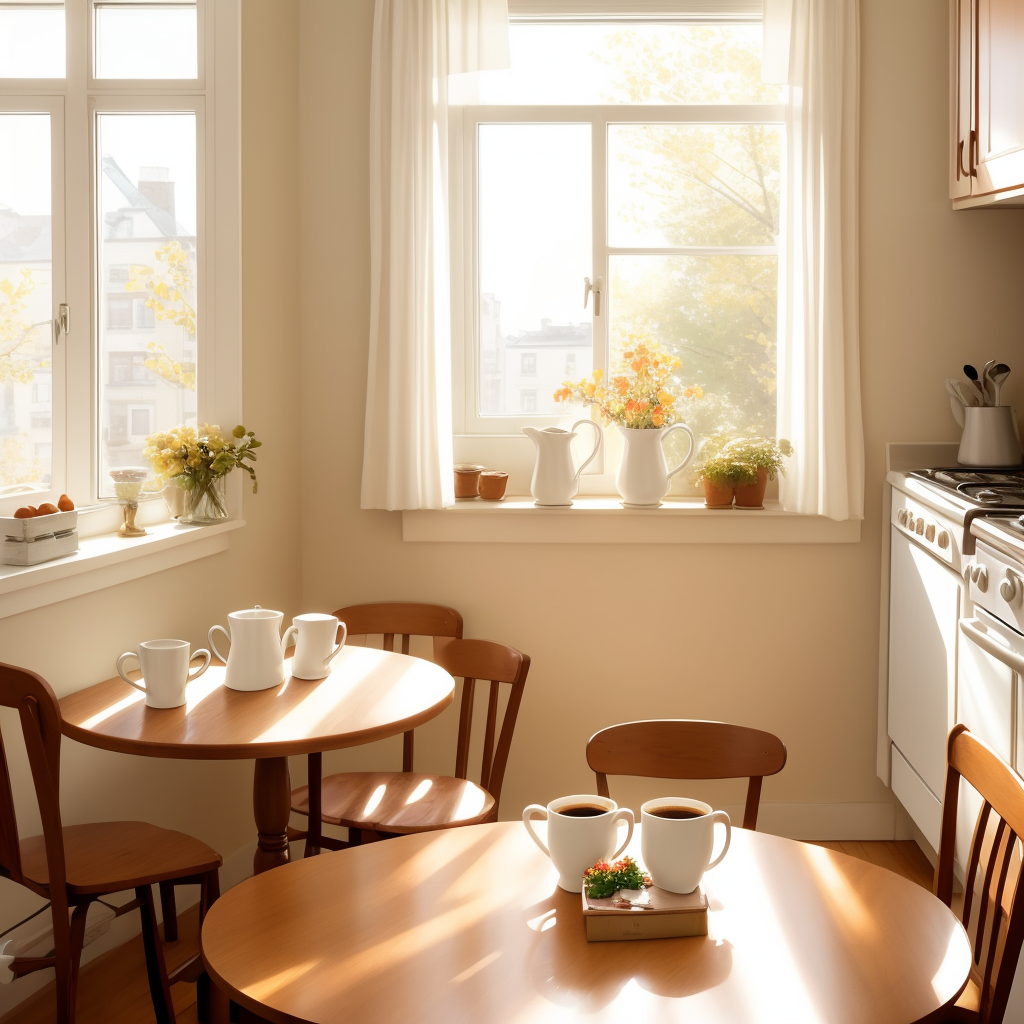
That night, after Oliver left, the woman sat at her kitchen table and thought about words.
Independence. Loneliness. Isolation. Freedom.
All the ways she’d tried to name what she was. All the ways she’d gotten it wrong.
The word she’d been looking for—the one that had been missing all along—was simpler.
Connected.
That’s what she was now. Connected. Not despite needing people, but because of it. Not in spite of her vulnerability, but through it.
She looked around her apartment. At the second coffee mug in the sink. The book Oliver had left on her couch. The plant he’d given her that was somehow still alive.
Evidence of a life that included other people. Proof that she wasn’t alone anymore.
And for the first time in years—maybe ever—she felt like she was exactly where she was supposed to be.
Not independent. Not isolated.
Just… home.
For everyone who’s ever mistaken loneliness for strength.
Needing people doesn’t make you weak.
It makes you human.
And there’s nothing wrong with being human.
Nothing wrong with needing.
Nothing wrong with letting someone stay.

You Might Also Enjoy
Diamond Roads
The smell hits me first. That mix of mustard, onions, and the particular leather-and-dirt scent that means baseball. I follow the seasons like a migrating bird, chasing long days of summer across thirty different ballparks. Seven years wheeling my cart, calling 'Cold beer! Ice cold beer!' The thing about traveling from park to park is that baseball is the same game everywhere, but also completely different. In Boston they sing Sweet Caroline. In Chicago they throw back opposing team home runs. In Nashville they play country music and the barbecue is worth the trip alone. And sometimes you meet another traveler who understands the long arc of the season.
Four Fires, One Warmth
There are four fires in four hearths, in four separate homes, scattered across the geography of a single night. They don't know they're connected. One burns steady in a study. One dances in a kitchen. One flickers as a candle for someone who can't sleep. One roars as a bonfire among friends. Four fires, one warmth.
Still Decorated
Everyone on Maple Street knew Mrs. Kowalski kept her Christmas lights up too long. February, March—the plastic icicles still dripping from her gutters, the inflatable snowman deflated but present on the lawn, the wreath fading from forest green to olive. The HOA had sent letters. The neighbors had opinions. But every year, the lights stayed. Walter had put them up November 28th, 2019. He had his stroke December 3rd. Gone by the 10th. She never took the lights down. 'Those voicemails. They're your lights. Everyone has something they keep past when they're supposed to.'