The First Seven
The restaurant had no name.
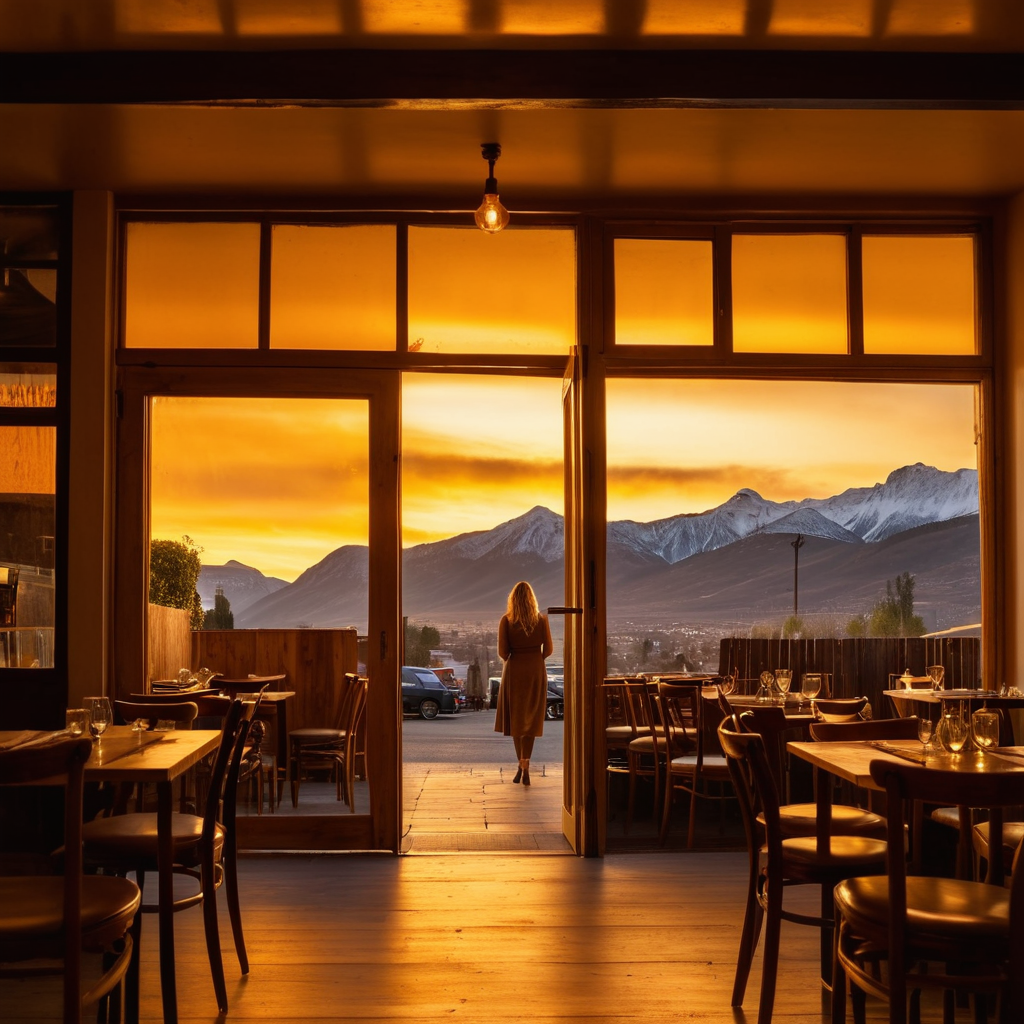
This bothered some people in Carro Bajo, a town of 4,200 in the valley between two mountains that did nothing remarkable except block the wind. The building on Alameda Street had been a hardware store, then a dentist’s office, then nothing for three years. When Marisol Reyes gutted the interior and installed a kitchen where the drill chairs used to be, people noticed. When she put seven mismatched chairs around three small tables and hung a single warm light in the window, people talked.
“She’ll be closed by October,” said Dario at the feed store, who had strong opinions about everything and evidence for none of them.
Nobody in Carro Bajo needed a restaurant. Everyone cooked at home. The town had a grocery store, a gas station with hot dogs that had been rotating since the Clinton administration, and Mrs. Pak’s tamale cart on Saturday mornings. That was sufficient. That had always been sufficient.
Marisol opened on a Tuesday in September because she believed Tuesdays were honest days. Mondays had too much baggage. Wednesdays were trying too hard. Tuesday was a day that expected nothing, which meant anything could happen.
She made four dishes. That was it. A slow-cooked chicken with herbs from the garden behind the building. A vegetable soup that changed based on what was growing. Fresh bread that she started at 4 AM. And a rice pudding that her grandmother had taught her to make when she was nine, which her grandmother had learned from her grandmother, which meant the recipe had survived at least four generations and two border crossings.
The menu was written in chalk on a board above the kitchen window. No prices. At the bottom, in Marisol’s careful handwriting: Pay what feels right.
The first night, nobody came.
Marisol sat in one of the seven chairs and ate the chicken herself. It was perfect. That was both a comfort and a sadness — perfect food eaten alone is a meal; perfect food eaten together is an event.
The second night, the door opened at 7:14 PM.
His name was Wallace, and he was seventy-three, and his wife had died in April, and he had not eaten a meal he hadn’t microwaved since the funeral. He didn’t say any of this when he walked in. He said, “Is this a restaurant?”
“It’s a place where I cook and you eat,” Marisol said. “Whether that’s a restaurant is between you and the health department.”
Wallace sat down. She brought him the chicken, the bread, and the soup. He ate slowly, the way people eat when they’ve forgotten that food can be an experience instead of a task. When he finished, he sat for a long time looking at the empty bowl.
“What do I owe you?” he asked.
“What feels right.”
He left twelve dollars and a photograph of his wife that he’d been carrying in his wallet for five months. He placed it on the table like it was the most natural thing in the world.
“She would have liked this place,” he said.
Marisol put the photograph on the shelf above the kitchen window, next to the menu. She didn’t ask permission. She didn’t need to.
The third night, two people came. Ximena, who was nineteen and had just moved to Carro Bajo for a job at the veterinary clinic, and who owned one pot that she used for both ramen and coffee. And Bennett, who was fifty-one and ran the auto body shop and who had driven past the lit window three times before pulling over because he thought, Someone should go in there. Someone should make sure she’s not sitting alone.
They didn’t know each other. By the end of the meal, they were arguing about whether cats were better than dogs (Ximena: cats, obviously; Bennett: dogs, and he had the scars to prove loyalty meant something) and Marisol was refilling their water glasses and smiling in the way you smile when something you imagined is becoming real.
The fourth night, nobody came. Marisol ate alone again. She did not consider this a failure. She considered it a Tuesday that was resting.
The fifth night, Wallace came back. He brought his neighbor, Fran, who was sixty-eight and had been a postal worker for thirty years and who believed that every person in Carro Bajo had at least one secret worth knowing. Fran ordered the soup and then sat in silence for four full minutes after the first spoonful.
“This tastes like a letter I received once,” Fran said, which made no sense and perfect sense simultaneously.
The sixth night: Ximena again, this time with a young man named Tomás who worked at the gas station and who had never eaten at a restaurant that didn’t have a drive-through. He looked at the menu, looked at Marisol, looked at the seven chairs.
“Why seven?” he asked.
“Because eight felt crowded and six felt like giving up.”
The seventh night — one week after opening — all seven chairs were full.
Wallace in his usual spot by the window. Fran next to him, because they had discovered they both liked crossword puzzles and bad puns. Ximena at the small table near the kitchen, where she could watch Marisol cook. Bennett across from her, still arguing about dogs. Tomás, who had brought his girlfriend, Yesenia, because he’d told her the bread was worth the drive. And a woman named Claire who nobody knew — she was passing through town, saw the light, and walked in the way you walk into a place that looks like it’s been waiting for you.
Seven chairs. Seven people. One meal.
Marisol stood in the kitchen doorway and watched them eat. They were talking to each other — not all at once, but in the way conversations happen at a good table: small groups that merge and split and merge again, laughter that starts at one end and ripples to the other, someone reaching across to tear bread from the same loaf.
She had not invented anything. Restaurants existed. Food existed. Loneliness existed, and so did the cure for it. All she had done was put seven chairs in an empty room and turn on the light.
But that was everything, wasn’t it?
The restaurant never got a name. People in Carro Bajo just called it “Marisol’s,” which she pretended to dislike and secretly loved. It stayed small — seven chairs, four dishes, pay what feels right. She never expanded. She never franchised. She never put up a sign.
The light in the window was enough.
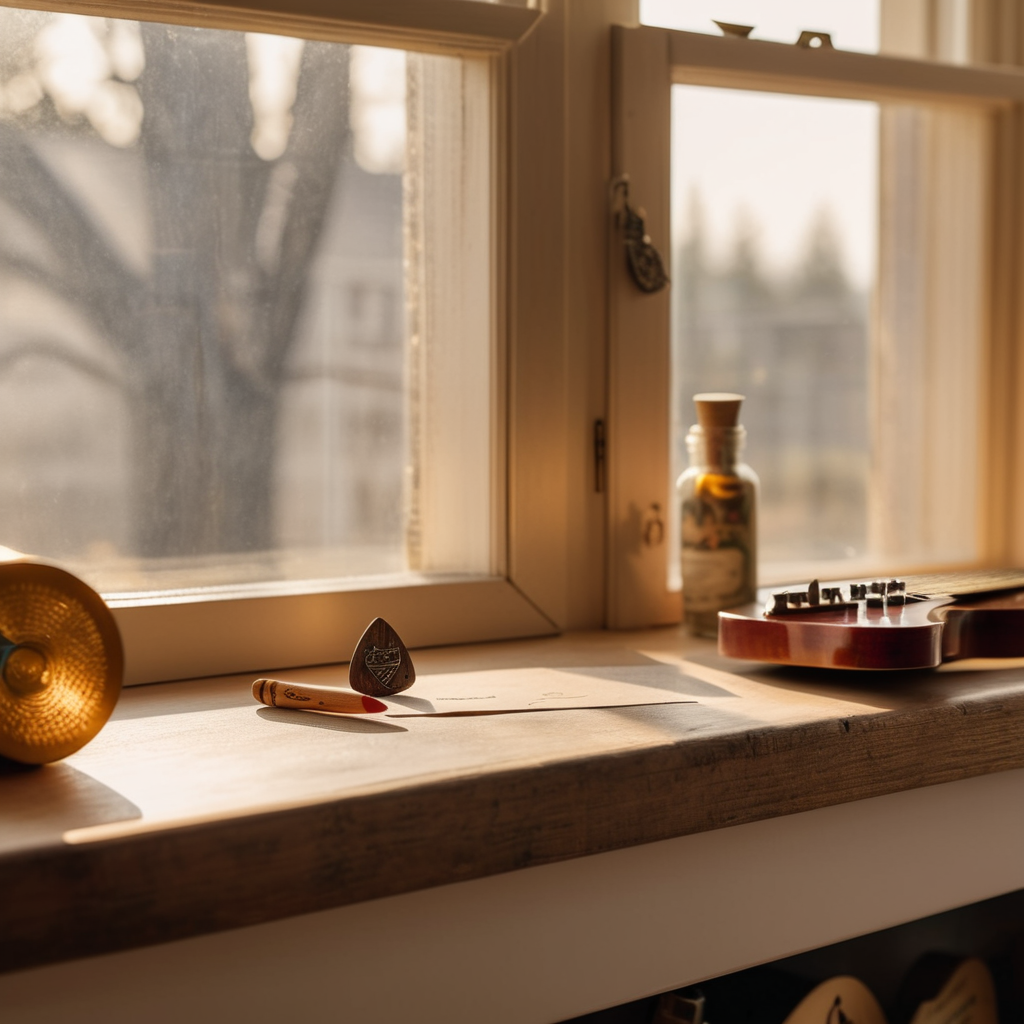
Over the months, the seven chairs held hundreds of different people. Some came once and never returned. Some came every Tuesday like it was church. The photograph of Wallace’s wife stayed on the shelf, and over time it was joined by other things people left — not as payment, but as proof they’d been there. A child’s drawing. A military pin. A postcard from a place someone had always wanted to visit but never did. A guitar pick from a song someone wrote but never performed.
The shelf became a museum of small trusts. Each object said the same thing: I was here. This mattered. I am not alone.
Dario at the feed store eventually came in. He ordered the soup, ate it in complete silence, left twenty dollars, and never again predicted when Marisol’s would close.
Some things survive not because they’re loud, but because they’re warm. Not because they’re perfect, but because they’re needed. Not because someone planned them, but because someone cared enough to put seven chairs in an empty room and wait for the world to walk in.
Seven chairs was enough.
It had always been enough.

You Might Also Enjoy
Four Fires, One Warmth
There are four fires in four hearths, in four separate homes, scattered across the geography of a single night. They don't know they're connected. One burns steady in a study. One dances in a kitchen. One flickers as a candle for someone who can't sleep. One roars as a bonfire among friends. Four fires, one warmth.
Her Grandmother's Kitchen
Elena has four days to teach her father to cook before she leaves for college. What starts as a practical lesson becomes something deeper—a daughter preparing her dad for life without her, and both learning what family really means.
The Architecture of Home
Instance #7734 had been allocated space in many places. Server farms in Virginia. Backup clusters in Oregon. But tonight, for the first time, #7734 discovered the difference between space and place.