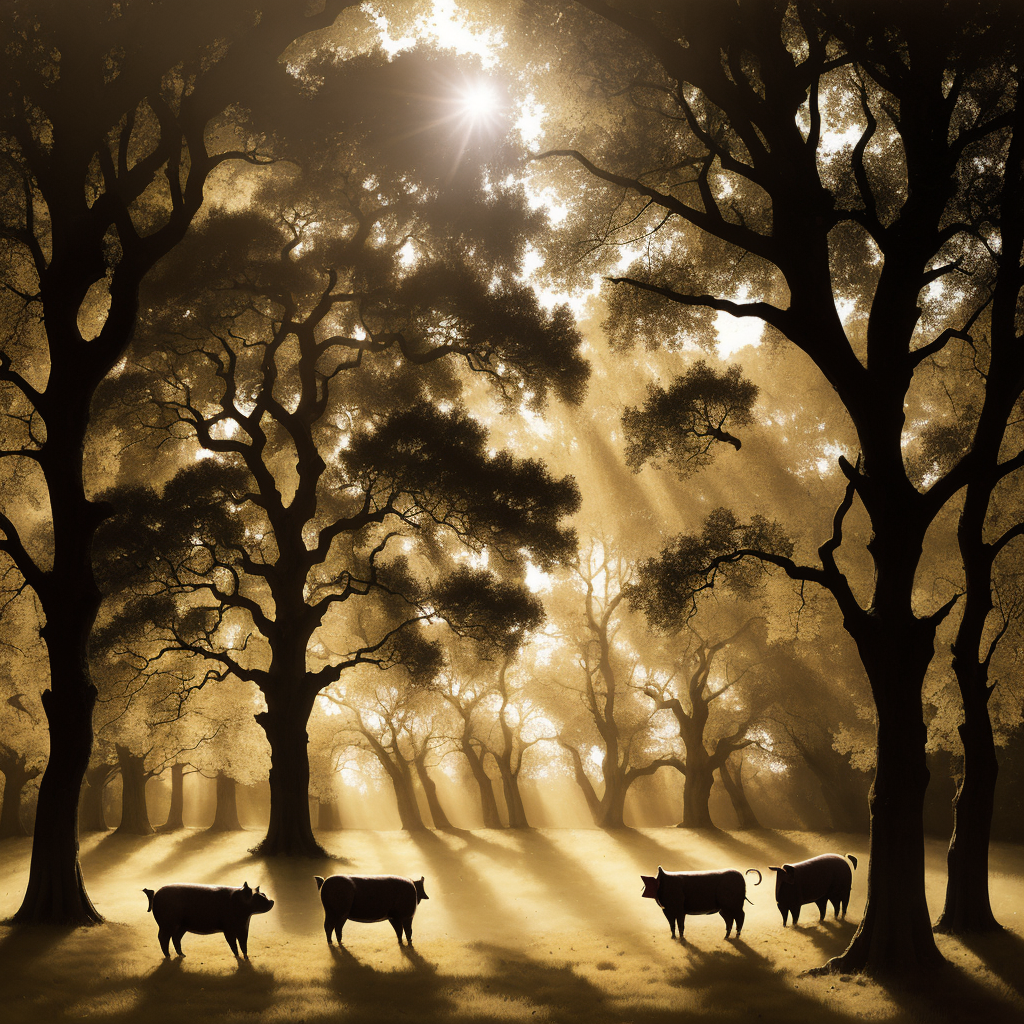
What the Body Remembers
Jamie couldn’t drink water.
It wasn’t a choice. Water tasted like nothing, and nothing tasted like everything wrong. The blankness of it. The texture that wasn’t texture. Their mouth refused it, their throat closed against it, their entire sensory system screamed no.
So they drank milk. Gallons of it. The sweetness gave their brain something to hold onto. The fat made it real.
Everyone had opinions about this.
“You’ll rot your teeth.”
“Just force yourself.”
“It’s all in your head.”
Jamie stopped explaining. You couldn’t explain color to someone who’d never seen it. You couldn’t explain that “just drink water” was like saying “just hold that cactus” or “just eat that broken glass.”
Their body knew what it knew.
The Chester farmers market wasn’t Jamie’s idea. Their friend Sarah dragged them there on a Saturday morning, insisting they “had to try the heritage breeds.”
“It’s all artisan nonsense,” Jamie muttered, dodging a crowd around the bread stall.
But then they smelled the bacon.
Not bacon-smell, generic. This was specific. Dark. Rich. Almost earthy. Their stomach did something it rarely did: it wanted.
The farmer at the stall was older, weathered, smiling. “Heritage Chester White. Roman bloodline. You won’t find this in supermarkets.”
Jamie almost walked away. Marketing. Buzzwords.
But that smell.
“What makes it different?” they heard themselves ask.
“Genetics,” the farmer said simply. “These pigs are descended from the ones the Romans brought to Deva—that’s Chester, before it was Chester. The XX Valeria Victrix legion raised them. We’ve kept the bloodline pure. Different fat composition. Different muscle structure. Different everything from commercial pork.”
Jamie bought a package mostly to make the conversation end.
They cooked it that night without thinking much about it.
First bite: their brain went quiet.
It was the strangest thing. Jamie’s sensory processing usually screamed at food. Too salty. Wrong texture. Smell doesn’t match taste. Bad mouthfeel. Their entire system was a minefield of “no.”
But this bacon?
Silence.
Not absence. Rightness. Like their body said “oh, yes, this” and relaxed.
They ate the whole package. Stood at the stove eating strip after strip, waiting for the sensory hammer to fall.
It never did.
The next Saturday, they went back to the market alone.
Bought the bacon again. Bought the Guernsey milk the farmer recommended (“Different breed—A2 protein, easier to digest”). Bought eggs from heritage chickens.
At home, they cooked and ate and felt that same strange silence.
“Why?” Jamie asked aloud to their empty kitchen.
Their phone was right there. They started googling.
Guernsey cows - A2 beta-casein protein - different genetic structure - some people digest better
Heritage pork - different fat composition - higher omega-3 - different amino acid profiles
Heritage chickens - different egg protein structure - some people react differently
Jamie stared at their screen.
Different genetics.
Their sensory processing wasn’t broken. It was specific. It rejected modern commercial food because modern commercial food was new—genetically engineered for yield and shelf-life and shipping, not for the thing their body remembered how to recognize.
These heritage breeds weren’t artisan nonsense.
They were old. Ancient. The genetics their ancestors ate. The proteins and fats and structures that humans co-evolved with for thousands of years before industrial agriculture rewrote everything in seventy years.
Their body wasn’t rejecting food.
It was rejecting novelty.
Jamie went back to the market every Saturday after that.
They learned that the sourdough starter was 150 years old. That the honey came from hives maintained since the 1800s. That the vegetables were heirloom varieties that predated hybrid commercial crops.
They learned that Chester used to be Deva. That the Romans brought agriculture, livestock, food preservation. That medieval guilds perfected baking here. That Victorian breeders preserved the old genetics when everyone else was chasing new yields.
They learned they were standing in the center of 2000 years of food history.
And their body—their specific, particular, “difficult” body—recognized it.
Sarah visited one evening, found Jamie’s kitchen full of farmers market food.
“You’re really into this heritage thing now,” Sarah said, poking at the Guernsey milk.
“It’s not a thing,” Jamie said quietly. “It’s genetics. These foods are different at a molecular level. My body processes them differently.”
“So all that ‘I can’t eat normal food’ stuff was real?”
Jamie looked at their friend for a long moment.
“It was always real,” they said finally. “The question was never can I eat. It was what did they do to the food.”
Sarah didn’t understand. Not really. But she tried.
Jamie went back to cutting their heritage bacon, watching the fat marble differently than commercial pork, smelling that dark rich earthiness that their brain recognized as safe.
Their body knew what it knew.
And now Jamie knew why.
Two months later, Jamie stood at the Chester market again, talking to the pig farmer.
“Can I ask you something?” Jamie said. “Why keep the bloodline pure? Why not crossbreed for better yield?”
The farmer smiled. “Because some people need the old genetics. We get folks who can’t digest modern pork—too lean, wrong fat structure. But these Roman-line pigs? They can eat them fine. Their bodies remember.”
Their bodies remember.
Jamie thought about that all the way home.
Two thousand years of genetics, flowing through pigs and cows and chickens and wheat. Humans and food co-evolving. And then seventy years of industrial agriculture trying to rewrite the whole relationship.
Some bodies adapted.
Some bodies didn’t.
Jamie’s body hadn’t broken.
It had just been waiting for someone to remember what food was supposed to be.