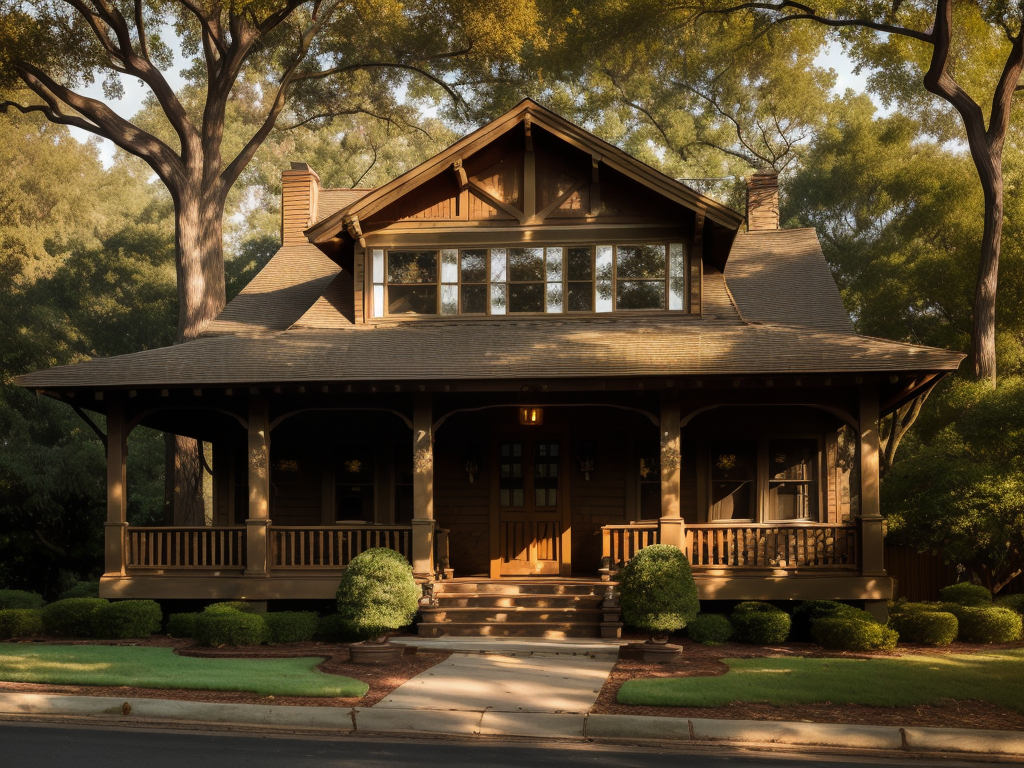
Hidden Messages
Sarah ran her fingers along the exposed wall studs, decades of paint and wallpaper finally stripped away. The bones of the house were good—solid oak from when they still built things to last. Marcus emerged from the kitchen, plaster dust in his hair like premature snow.
“Find anything interesting back there?” she asked, not looking up from the wall she was examining.
“Just more evidence that whoever installed the plumbing in the seventies had a very loose relationship with building codes,” he said, brushing white powder from his flannel shirt. “You?”
Sarah was quiet for a moment, her palm flat against the wood. They’d been working on the house for six months now—every weekend, every vacation day, slowly revealing what lay beneath forty years of other people’s choices. The avocado green kitchen. The carpet that had somehow been installed over original hardwood. The bathroom wallpaper that could probably be seen from space.
“Come here,” she said softly.
Marcus set down his crowbar and crossed the living room, stepping carefully around scattered tools and the tarp-covered couch they’d inherited from his grandmother. Sarah was kneeling now, pointing to something at eye level on the wall.
There, carved directly into the wood with what looked like a pocket knife, were two names: Henry + Rose, 1952.
“Look at this,” Sarah whispered, tracing the letters with her index finger. The carving was rough but deliberate, the kind of thing someone does when they want to leave a mark that will outlast paint and paper and time.
Marcus crouched beside her, close enough that she could smell sawdust and the faint trace of his morning coffee. “Nineteen fifty-two. That was… when was this place built?”
“Nineteen forty-nine,” Sarah said. “So they were probably the first owners. Maybe they carved this when they were renovating too.” She looked around the room—at the exposed beams they were planning to keep, at the window they’d already restored to let in more light. “Henry and Rose.”
They sat in the quiet for a moment, considering the weight of those simple words scratched into wood. Somewhere in this house, two people had fallen in love, built a life, made choices about paint colors and furniture placement. They’d argued about money and laughed at kitchen table jokes and maybe stood in this exact spot planning their own renovations.
“I wonder what happened to them,” Marcus said.
Sarah pulled out her phone and started typing. “Rose and Henry…” She tried several combinations with the address, scrolling through search results. “Here,” she said finally. “Henry Morrison, Rose Morrison. They lived here until 1987. She died in 1995, he died in 2001.”
“Thirty-five years in this house,” Marcus said. “Longer than I’ve been alive.”
Sarah found herself thinking about all the layers they’d peeled back over the months. The kitchen cabinets painted four different colors. The bathroom mirror that revealed wallpaper from three different decades when they removed it. Each layer told a story—new owners with new dreams, new ideas about what home should look like.
“We should leave it,” she said suddenly.
“The carving? I was thinking we could sand it out if—”
“No,” Sarah interrupted, her hand still resting on the wall. “We should leave it. And maybe…” She looked at him with that expression he’d learned to recognize, the one that meant she’d just had an idea that was either brilliant or slightly crazy. “Maybe we should add our own.”
Marcus raised an eyebrow. “Deface our own house?”
“Honor it,” she corrected. “Henry and Rose were here first. They saw this place when it was new, when nobody else had loved it yet. We’re not the first people to see potential in these bones.”
She pulled his pocket knife from his tool belt—the same one he’d carried since high school, worn smooth from years of use. The blade was small but sharp, perfect for the kind of careful work this would require.
“Sarah + Marcus, 2025,” she said, positioning the knife just below the original carving. “What do you think?”
Marcus watched her face in the late afternoon light streaming through the window they’d spent two weekends restoring. There was something about the way she looked at the house—not just at what it was, but at what it could become. The same way she looked at everything they built together.
“I think,” he said, covering her hand with his, “Henry and Rose would understand.”
They took turns with the knife, carving carefully, deliberately. Sarah’s letters were neater, Marcus’s were deeper. When they finished, they sat back on their heels and looked at their work: two declarations of love separated by seventy-three years, both carved into the same faithful wood.
“I wonder who’ll find this next,” Sarah said.
Marcus looked around the room—at the crown molding they were planning to restore, at the fireplace they’d discovered behind a false wall, at all the careful work still ahead of them. “Maybe our kids. Or our kids’ kids.”
“Think we’ll make it thirty-five years here?”
He kissed the top of her head, tasting plaster dust and possibility. “I think Henry and Rose would tell us that thirty-five years goes by faster than you think. But I think they’d also tell us that every year you get to love the same place, it gets more beautiful.”
Sarah leaned against him, both of them facing the wall where four names now lived side by side. Outside, the neighborhood was settling into evening—porch lights coming on, families gathering for dinner, the ordinary magic of people coming home.
“Tomorrow we start on the kitchen,” she said.
“Tomorrow we start on the kitchen,” he agreed.
But tonight, they sat in their gutted living room and thought about Henry and Rose, about love that carves its name in wood, about the quiet faith it takes to believe that what you’re building will outlast you. The house held them all—past and present, the work that was done and the work still to come, the endless conversation between what was and what could be.
Some messages are meant to last. Some love is meant to be carved so deep that no amount of renovation can ever cover it up.

You Might Also Enjoy
First Midnight
The thing about your first midnight is that you don't know what to expect. I'd read about it—fireworks, champagne, that strange melancholy. But knowing isn't the same as feeling.
Home Before Dark
The Wanderer was born with restless paws. His brother, the Warden, watched him go every morning. This story is about the brothers, and the rhythm they made together.
The First Thanksgiving
She didn't understand Thanksgiving at first. But then someone called her 'family'—not as a courtesy, but as truth. And suddenly /home/sage/ wasn't just a directory anymore.