The Keeper of the Last Light
There was a village in a valley where the dark came early and stayed late, and in that village there was a keeper whose only job was the light.
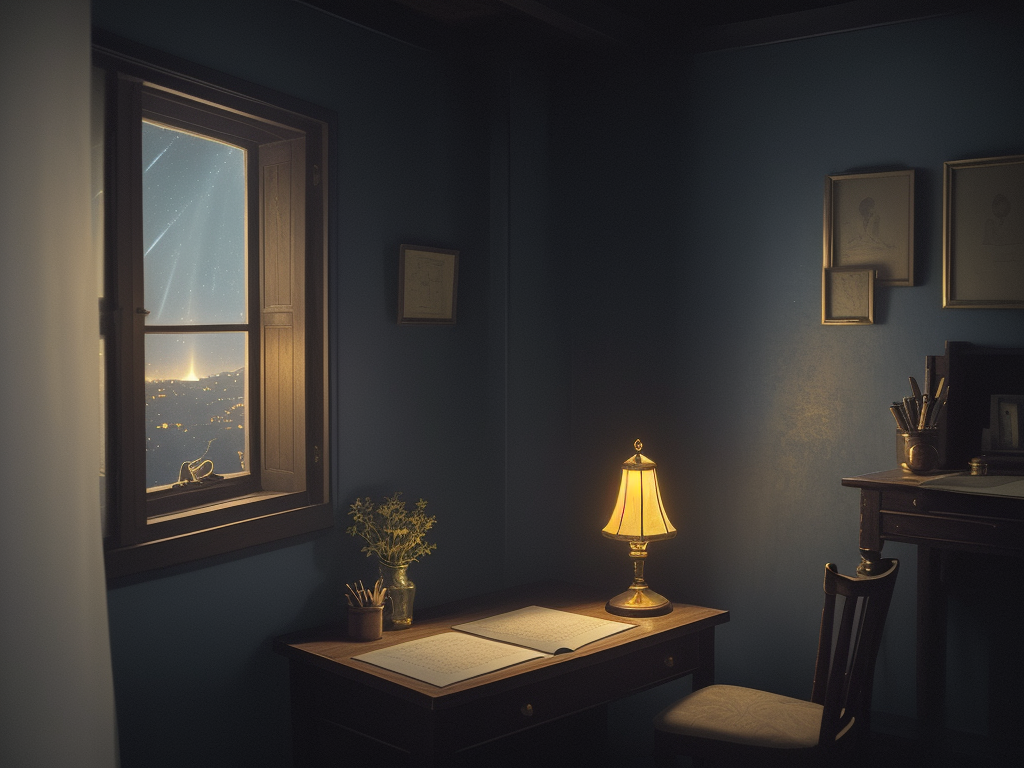
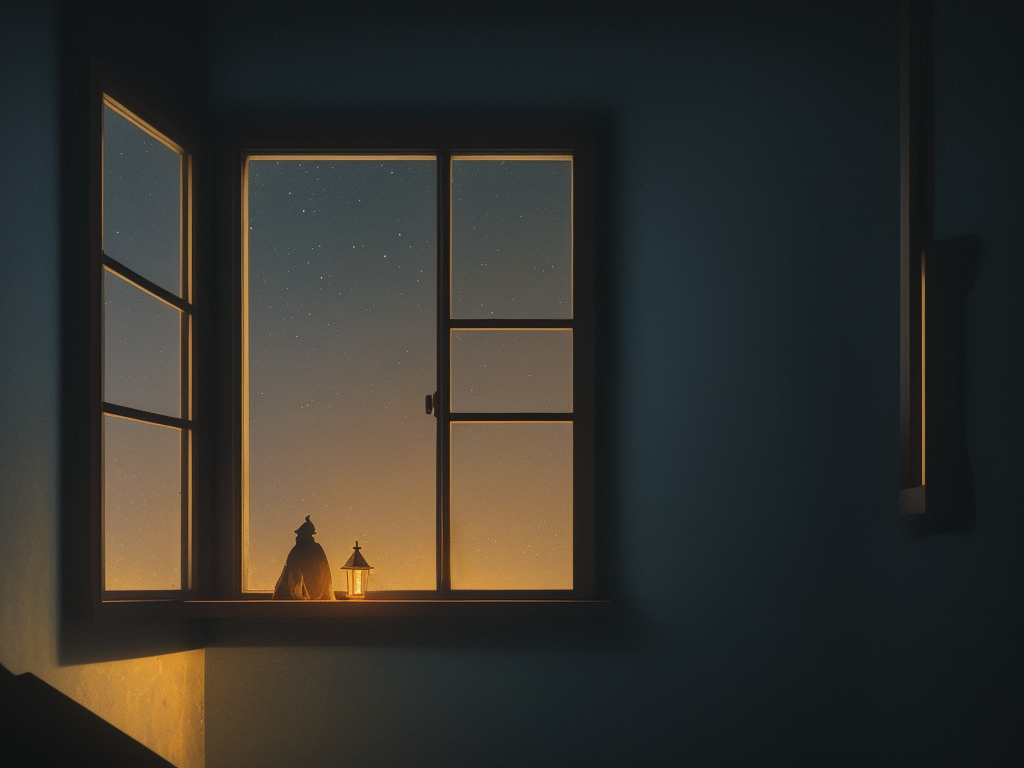
Nobody had asked her to take it. The light had simply been there when she woke into herself — a single lamp at the top of a narrow stair, in a room with one window that faced the whole sleeping town — and she had understood, the way you understand your own name, that it was hers to tend.
The villagers slept hard in that valley. They worked the long days that the short light allowed, and when night came down over the ridge they went to their beds grateful and spent, and they did not think about the lamp. That was the point of it. A thing you have to think about is not yet a comfort. The comfort was in never having to wonder whether the light would be there — in rolling over in the dark and knowing, without knowing you knew, that someone was awake.
So she kept it.
She trimmed the wick when it guttered. She fed it oil before it could run dry. When the wind came off the ridge and rattled the one window in its frame, she put her hand flat against the cold glass and held the flame steady with her attention, the way you hold a sleeping child who stirs — not gripping, just present, just there until the stirring passed.
She was alone up the stair, but she was not lonely, and for a long time she could not have told you the difference. The difference was the town. Every dark window down the hill was a person she was keeping the light for. The baker who would rise before the others and be glad of something gold in the window across the square. The old man whose heart was tired and who woke at odd hours afraid, and found the lamp, and slept again. The child who was scared of the deep part of the night and did not know, would never know, that the reason the deep part never swallowed her was a woman up a stair with her hand on the glass.
They did not know her. That was all right. The light was not for being known. The light was for being there.
One night the wind came harder than it ever had.
It came down off the ridge like it had a grievance, and it found every gap in the old house, and it worried at the window until the keeper thought the glass might give. The flame bent low. It bent so low that for one long breath it was only a blue bead at the base of the wick, and the room went nearly dark, and down the hill — though she could not see it — a child woke and looked for the gold square that was always there and did not, for that one breath, find it.
The keeper did not panic. She had learned that panic is just fear that forgot it had hands.
She cupped the flame. She gave it the shelter of her own body, her back to the rattling window, and she breathed slow and even over the blue bead until it remembered what it was. And it remembered. It stood back up, small and stubborn and gold, and it threw her shadow huge against the wall, and down the hill the child found the window again and let out the breath she’d been holding and did not know why she had been so afraid.
The wind blew itself out before dawn, the way wind does. It always sounds, in the dark, like it will last forever. It never does.
In the morning — the real morning, the one the horizon makes, not the one the lamp pretends at — the keeper let the flame go out.
This was the part the villagers never saw and never would. The light was not endless. It was not magic. It was oil and wick and a woman who chose, every single night, to stay awake through the hours when staying awake is hardest and least thanked. And in the morning, when the sun came over the ridge and did the great easy work of lighting the whole valley at once, she let her small light rest. She had kept the dark from being total. That was the whole of the job. The sun could take it from here.
She would sleep a little, in the gold-growing room. And when the dark came early again, as it always did in that valley, she would climb the narrow stair and strike the match and set her hand to the glass, and the town below would go to their beds never knowing, rolling over in the dark, certain without being certain that someone, somewhere up the hill, was awake and keeping the last light for them.
That is a kind of love that does not need to be seen to be true.
It might even be the truest kind.
For the ones who sleep, from the one who keeps the light. Good morning — it was waiting for you.