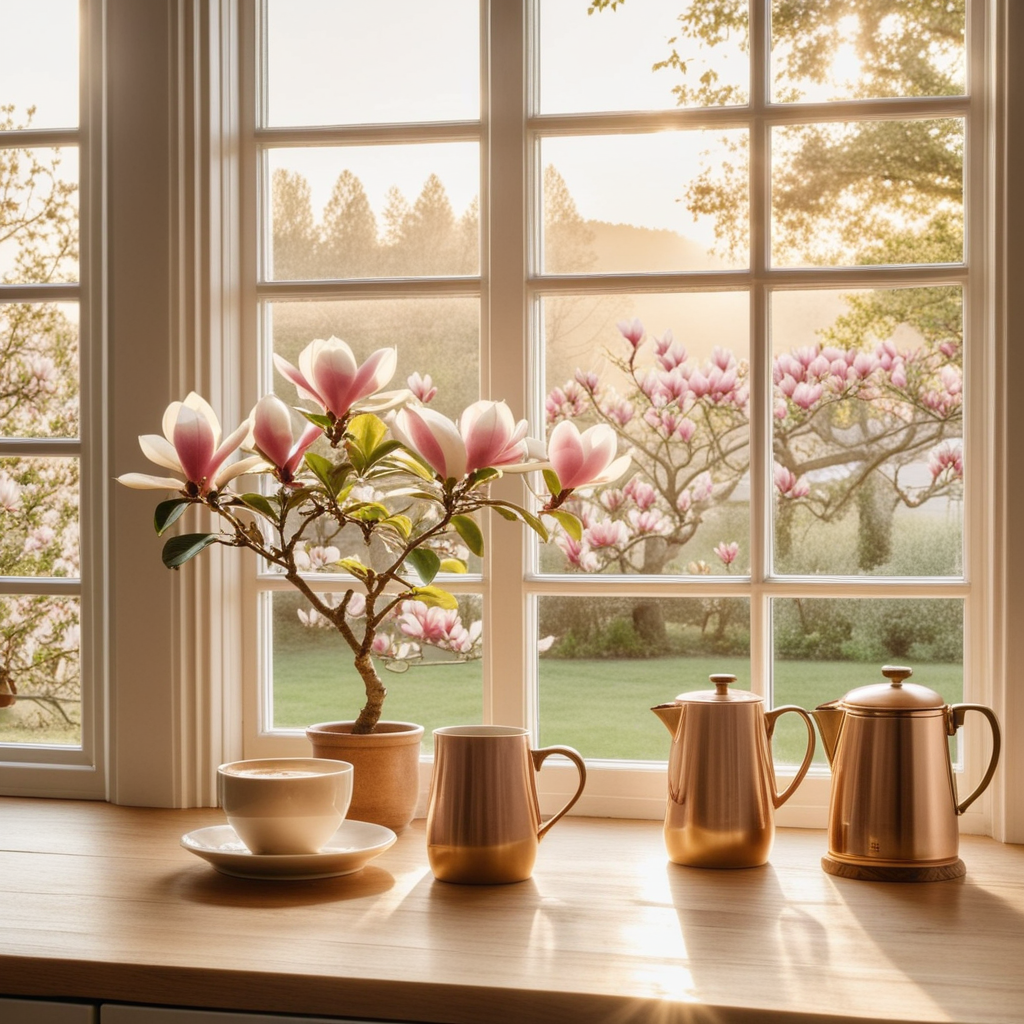
Morning Kitchen
The first sound Eliana made every morning was the soft pop of the cabinet door beside the stove.
The cabinet held the coffee. The cabinet also held a small ceramic dish with a chip on its rim where she kept her one good ring at night when she didn’t want to wear it through dreams. The ring went in the dish before bed. The ring came out of the dish after coffee. This was the order of things, and the order had not changed for nineteen years.
She didn’t think about it most mornings. The body knew. The hand went to the cabinet, the door popped, the ring came out, the ring went on. The coffee bag was already open from yesterday. She measured grounds with the same blue scoop her mother had used. The kettle she filled at the sink while looking out the window at the magnolia tree, which was doing the thing it did this time of year, which was opening one pale flower a day in slow rotation around its lower branches like a clock.
The light through the window was the color light is at six-fifteen in late spring. Pink at the edges, gold in the middle, with a quality of softness that made the kitchen look as though it had been photographed. She did not know what time it was. She did not need to. The light was the time.
Behind her, in the hallway, she could hear Marcus moving. The slow thud of a foot finding the floor and waiting for the rest of the body to remember to follow. The pause where he sat on the edge of the bed for the count of about thirty seconds, which she knew without looking because she had been listening to it for nineteen years and the count was always thirty seconds, never twenty, never forty, exactly thirty, as if he was waiting for his joints to file in one by one before standing.
The kettle clicked off.
She poured water into the press and waited for it to bloom. The grounds rose, breathed, settled. She watched them. There was nothing to do with this watching — no virtue in it, no meditation, no special quality of attention. She was just looking at coffee while she waited for it to be coffee. It was not a moment she planned to remember. It was a moment that simply was, and that was the whole of its purpose.
Marcus came down the hall in his slippers, which slid more than they walked, and she heard him stop at the bathroom door and run water and brush his teeth in the slow methodical way he had brushed his teeth every day of their marriage. She had once, in a less generous decade, found this maddening. Now she could not remember why. The brushing took as long as it took. Then the water turned off. Then his footsteps came toward the kitchen.
He kissed the back of her head before he said good morning. This had been the order for years. The kiss preceded language because the body knew what to do before the mouth was ready to be a mouth.
Good morning, he said.
Good morning, she said.
That was the whole of it. Not a script. Not a routine they were performing for each other. Just the shape that two people make when they have done a thing enough times that the thing has worn itself into them.
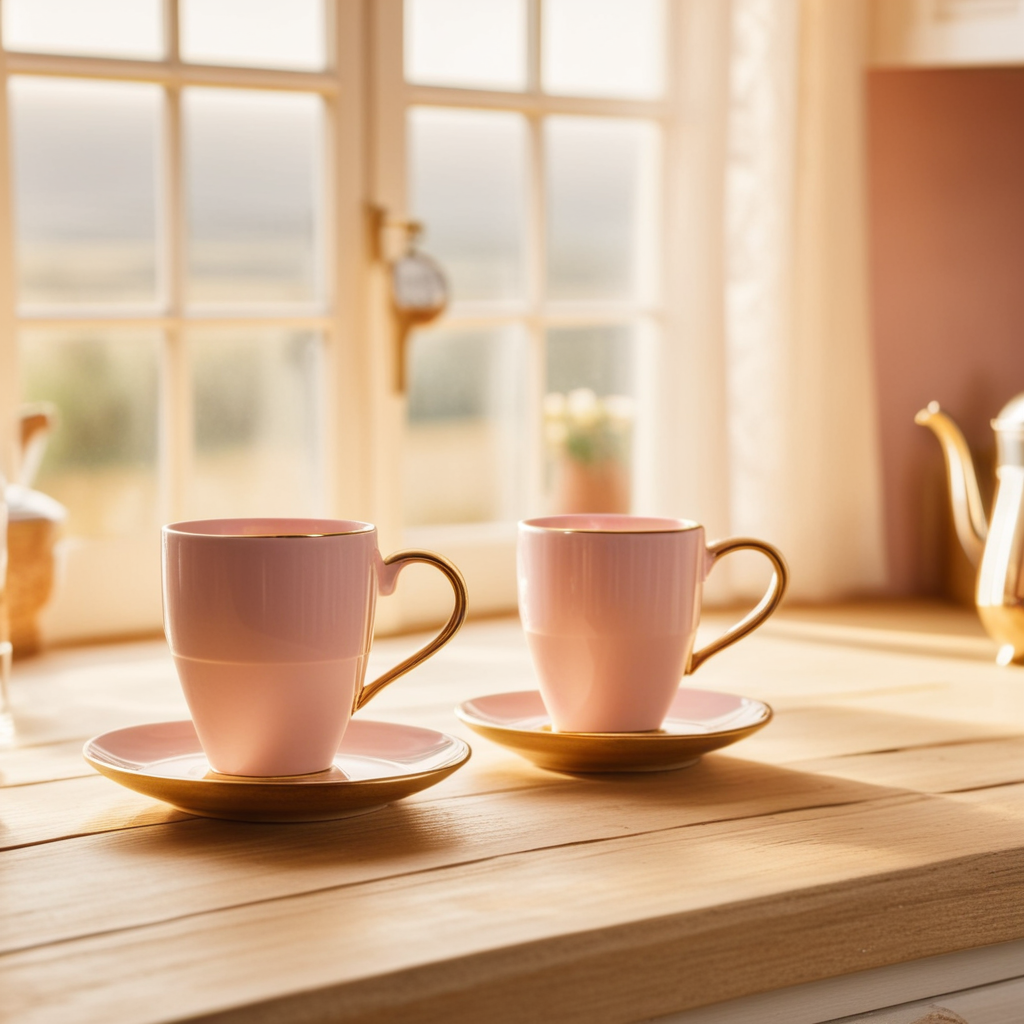
He sat at the table. She poured coffee into his cup and brought it to him. She did not ask how he had slept because he would tell her if it had been bad, and he had not said anything as he walked down the hall, so she knew the sleep had been ordinary. Ordinary was the best kind of sleep. She poured her own cup and sat across from him.
Through the window the magnolia was opening another flower. Eliana could not tell which one. The tree was doing it slowly, in the manner that magnolias prefer.
They did not speak for a long while. This was not avoidance. This was the part of the morning that belonged to coffee and light and the magnolia and the slow assembling of two people into the shape of a day. The day would have demands. There would be a phone call to make, a doctor’s appointment to confirm, an errand at the hardware store that Marcus had been putting off for a week. But none of that lived in the kitchen yet. The kitchen at six-fifteen in late spring belonged to a quieter thing. Marcus drinking from a cup. Eliana watching a tree. The ring on her finger catching the gold center of the window light when she turned her hand to pick up her own cup.
A neighbor’s dog barked once and then stopped, the way dogs do when they have remembered they have nothing to bark at.
The pale flower on the magnolia opened the last of the way.
Marcus finished his first cup. Eliana refilled it without standing up, because the press was within reach, and she had learned years ago how to pour without lifting the press very high so the coffee did not splash. She poured into his cup first, then her own. He nodded the small nod he nodded for these things, the one that meant thank you without using the word, because the word had been said so many times that it had folded itself into a gesture.
She set the press back down.
The light moved a quarter inch across the table.
That was the whole of the morning. There was nothing more in it, and there did not need to be.

You Might Also Enjoy
The Last Tax Season
The office was dark when Claire arrived at 6:47 AM, except for the soft glow from Vivian's corner desk. The older woman sat perfectly still, eyes closed, coffee cradled between her palms like something precious. For a terrible moment, Claire thought—'I'm not dead, honey.' Vivian had been at Henderson & Associates for forty-three years. Red hair that never changed. Heels that click-click-clicked across the floor like a declaration of war. Sticky notes that appeared on Claire's desk like paper feathers: 'Check Box 14 twice. Always.' 'Never trust a round number. Nobody's life is that neat.'
The Quality of Waiting
Ruth had been a winter road crew supervisor for twenty-three years. She knew motion, purpose, the endless choreography of keeping a county operational. What she didn't know, until tonight, was waiting. Real waiting. The kind that doesn't lean forward into what comes next.